



Designing spaces that spark joy and focus
A homework space isn't just about a desk and a chair—it's about creating an environment that invites curiosity, nurtures focus, and makes learning something your child looks forward to. Research shows that a thoughtfully arranged study area can improve concentration and foster a positive attitude toward schoolwork. Let your child take the lead: choosing the colors, desk accessories, or a favorite poster empowers ownership and motivation. Whether you convert a quiet corner or dedicate a full room, keep these essentials in mind:
- Good lighting, preferably natural, reduces eye strain.
- Organized storage—think shelves, baskets, or wall pockets—minimizes clutter and distractions.
- A comfortable chair and desk should match your child's size to support good posture.
Small personal touches—a motivational quote, a stress ball, even a few greenery plants—can make the spot uniquely theirs. Interestingly, studies suggest that children involved in designing their space are more likely to keep it tidy and use it willingly.
Turning homework routines into happy habits
Consistency is key to transforming homework from a daily struggle into a routine that feels second nature. Having a predictable schedule provides structure, which, according to child psychologists, boosts both confidence and productivity for kids of all ages. Here's how to weave ease and enjoyment into after-school learning:
- Start with a snack and quick movement break to recharge their energy and focus.
- Use a homework checklist or planner, breaking bigger tasks into smaller, celebrated wins.
- Set a timer for focused work sessions—20-30 minutes followed by a short break can help maintain concentration.
- Invite kids to choose the order in which they tackle assignments; control can make tasks seem less daunting.
Every family is different, but experimenting with routine elements will reveal what works best for yours. Some children thrive on soft background music, while others need total silence. The key is flexibility: be willing to adjust as your child’s needs and interests evolve.
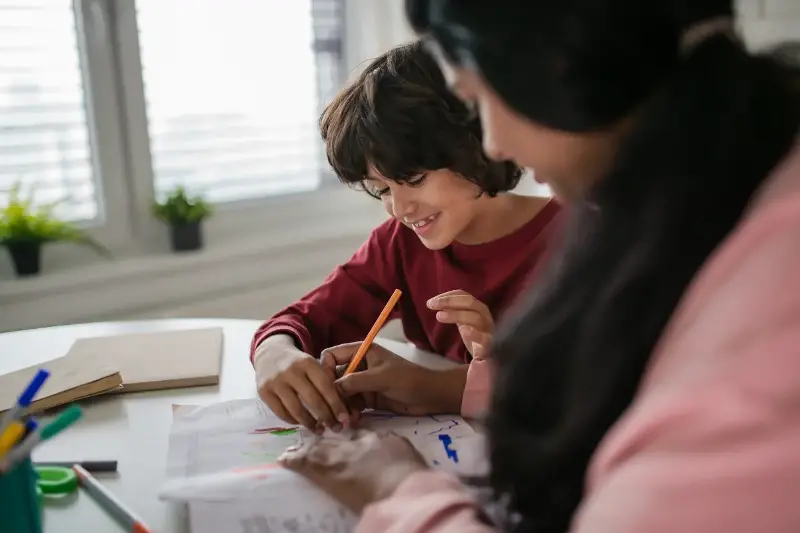
Unexpected facts that make a difference
Did you know that color psychology can play a role in learning success? Calming blues and greens are known to boost concentration, while yellows may spark creativity. Even the scent of lemon or peppermint in a study space has been linked to improved alertness! Other simple tweaks can make a surprising impact:
- Setting up homework cards with checkboxes gives a tangible sense of accomplishment.
- A visible “done” bin for finished assignments provides a satisfying visual cue of progress.
- Rotating motivational messages or affirmations weekly can help maintain engagement and positivity.
Encouraging self-reflection after completing homework—“What part was easiest? What challenged you?”—helps build resilience and self-awareness, traits that serve well beyond school.
Encouraging lifelong learners through everyday spaces
At the end of the day, the goal isn’t just to finish homework—it’s to help children associate learning with positivity, growth, and independence. The right environment and routine open doors to these lifelong attitudes. Whether your child is sprawled on a beanbag with colored pens or perched neatly at a minimalist desk, the spirit of their space makes all the difference.
Every home, like every child, is unique. The next time you set up a study nook or rethink your family's ritual, ask yourself: what little change might make learning today just a little more joyful tomorrow? Sometimes, a fresh perspective—or a pair of eager hands allowed to join in the design—can transform not just a corner of your home, but a child's mindset for years to come.